When I was in Year 12, I had a decision to make that would shape the rest of my life.
My parents and I had spent years meeting with basketball and football clubs. Growing up, I
probably loved football more. The idea of playing AFL was a dream. But basketball put
something concrete on the table, a guaranteed contract. Football meant entering the
uncertainty of the AFL draft and hoping your name would be called.
At 18, just out of school, I signed with the Melbourne Tigers. Once I stepped into that
professional environment, I never looked back.
Some of my old schoolmates still joke that I chose the wrong sport. And sure, sometimes I
wonder what life would’ve looked like in the AFL, but basketball gave me something
extraordinary, a global passport. I travelled through China, the US and Europe. I met people
from all walks of life and when I look at my three children now, I can see how every twist and
turn led me exactly to where I’m meant to be. I wouldn’t change a thing.
Life in Tigerland: 11 years, two rings
I spent over a decade with the Melbourne Tigers, winning two NBL championships along the
way.
Elite sport is brutal in the best possible way. There’s always someone younger, quicker or
hungrier coming through, trying to take your spot. Every single day you’re accountable. You
train knowing your career depends on it and that pressure really builds resilience. It also
teaches sacrifice; you miss birthdays, milestones and time with family, but you learn
discipline and gratitude.
In 300-plus games, I only missed one. That sounds impressive, but the truth is you’re never
fully healthy. I dislocated my shoulder, broke every finger and thumb multiple times and
battled constant ankle issues. Playing through pain becomes normal.
The biggest lesson? Nothing is guaranteed.
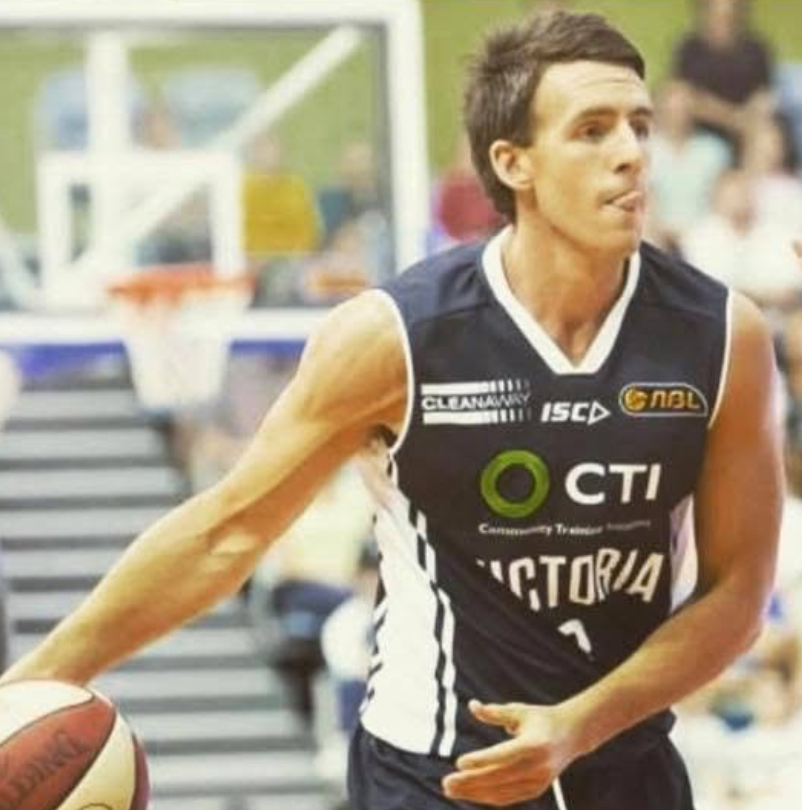
When comfort disappears
At 29, I was at the peak of my career. Then the NBA lockout happened and Patty Mills, an
Aussie superstar, came home to play and as luck would have it, he played my position,
shooting guard. Overnight, I was benched.
The club offered to keep me on full pay, to train and stay ready for when Patty headed back
to the US. On paper, it was a safe option but deep down, I knew it was time to look
elsewhere.
I’d been with Melbourne since I was 12. It wasn’t just a team; it was part of who I was and
walking away felt like tearing off a piece of my identity. It was heartbreaking.
But that moment taught me something important: when a situation is out of your control,
holding on only makes it harder. Sometimes the only real option is to let go and back
yourself to start again.
So I moved to New Zealand.
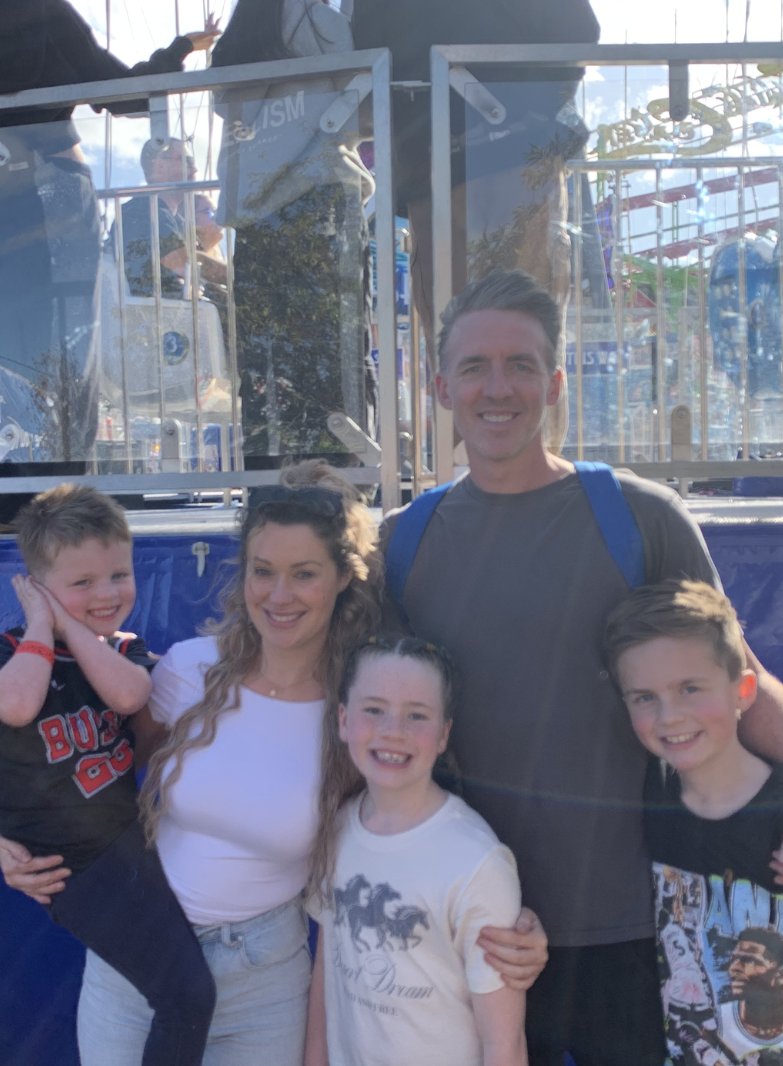
Across the ditch: growth through discomfort
The move wasn’t easy. I left family and friends behind. My wife at the time was playing
professional netball in Australia, so we were apart for long stretches.
But it was one of the best decisions of my career.
I played a bigger role, went to three more grand finals and won two more championships.
Being outside my comfort zone opened my eyes. Different club, different culture, different
expectations. I grew as a player and as a person.
Eventually, I returned home for one final season with Melbourne United, finishing my career
in front of family and friends.
That period taught me a lesson I still tell my kids, losing isn’t the end. There’s always another
game. As long as you give your best and enjoy the journey, you’ll be okay.

Player-coach in the UK: the hardest chapter
At 35, I wasn’t ready to hang up the sneakers. I had a British passport, so I headed to the
UK for one last adventure.
In my first season, I was leading the league in scoring, the first non-American to do so. Then
the coach was sacked, and suddenly I was asked to become player-coach.
European basketball is very different. One-year contracts, players fighting for their next deal
by Christmas and financial instability.
They came to me, not just as a teammate, but as a leader. As a player, you wear blinkers.
You focus on your performance. As a coach, you see the whole person. You learn that
everyone is carrying something. Some players need direct instruction. Others need constant
reassurance, what I call “high-volume pat on the back” people.
Managing personalities became my greatest learning curve. It’s something I use every day
now.
Enter finance: a different kind of team
One of the greatest relationships from my basketball days was with Greg O’Neill, who was
president of the Melbourne Tigers and CEO of La Trobe Financial.
When I retired, Greg called me “Turn up Tuesday at 3pm with a suit and tie.”
That was it.
Transitioning out of sport is daunting. You’re in your mid-30s, your identity has been wrapped
up in performance, and suddenly you’re starting again. I’d heard too many stories of athletes
losing everything post-career.
Greg gave me an opportunity. I started in commercial, moved into client partnerships, then
became a BDM. I spent seven years there, learning the ropes of finance and business
development.
The parallels between sport and business are strong. Hard work compounds and if you do
the work, results follow. My mindset has always been about getting one per cent better every
day, something I learned from watching the greats.
A new chapter at Brighten
In late 2022, after a challenging personal period, I knew I needed a fresh start and a new
challenge. I’d known Chris Meaker and Jay Allen for years, so joining Brighten under Head
of Commercial Ben Mckell felt like the right move at the right time.
Today, I’m focused on growing Brighten’s commercial footprint in Victoria. What excites me is
the depth of our offering. We support a broad range of commercial securities, for both
owner-occupiers and investors, with a pragmatic approach to trusts and self-employed
borrowers. It’s solutions-focused lending designed for real-world scenarios.
The launch of our Super Star® SMSF range has been another major step forward. SMSF
lending, both residential and commercial, requires clarity, experience and confidence. Our
competitive pricing, clear policy and specialist credit capability give brokers the certainty they
need to have more strategic conversations with clients.
For me, it’s about backing brokers with flexible commercial and SMSF solutions that help
them grow their clients’ portfolios, and their own businesses, with confidence.
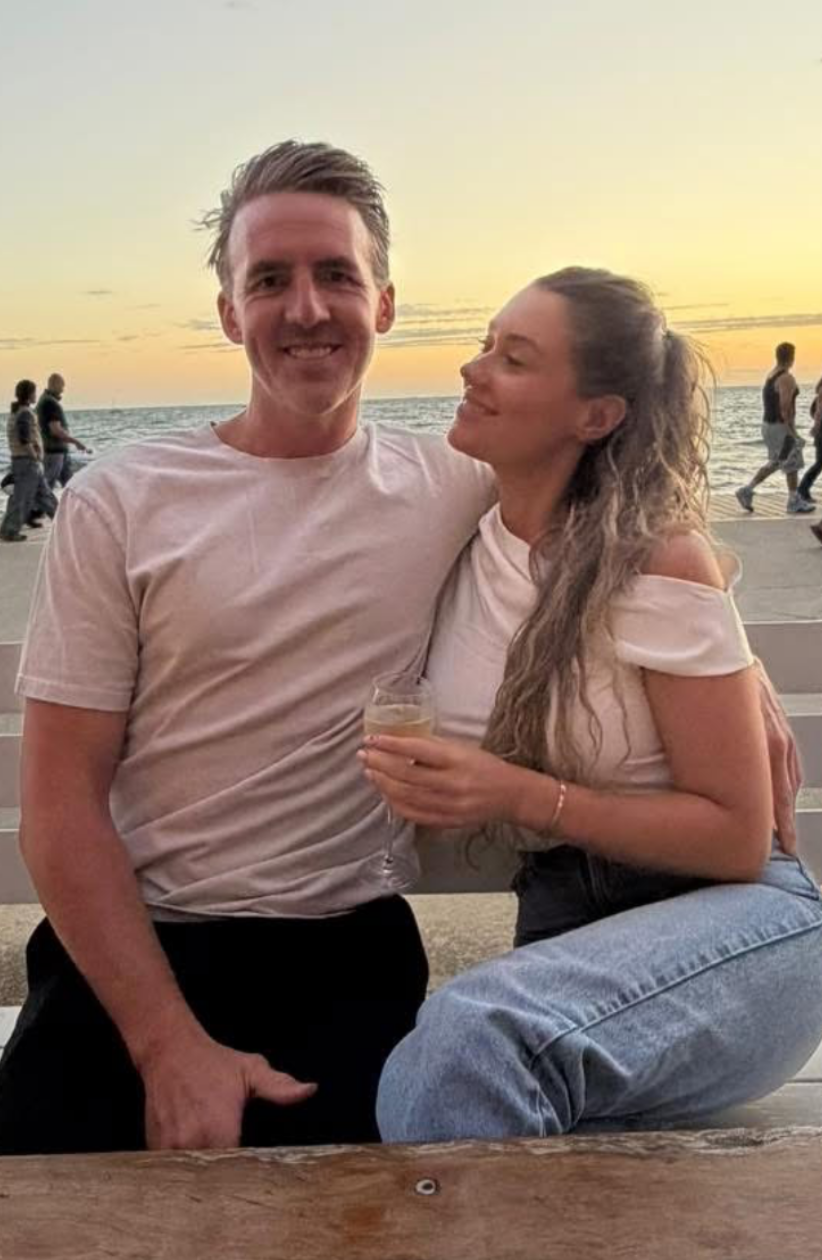
A new arena, same competitive edge.
I don’t lace up anymore, and sometimes I miss the roar of the crowd. But I’ve found a
different kind of fulfilment.
Supporting brokers feels like running a set play, you read the situation, you trust your team,
you anticipate obstacles and when it all comes together, someone else gets to shine.
Basketball taught me resilience, discipline and how to lead under pressure. Finance has
given me a platform to use those lessons in a different arena.
The jersey’s changed. The principles haven’t.
